Preventive Care
-
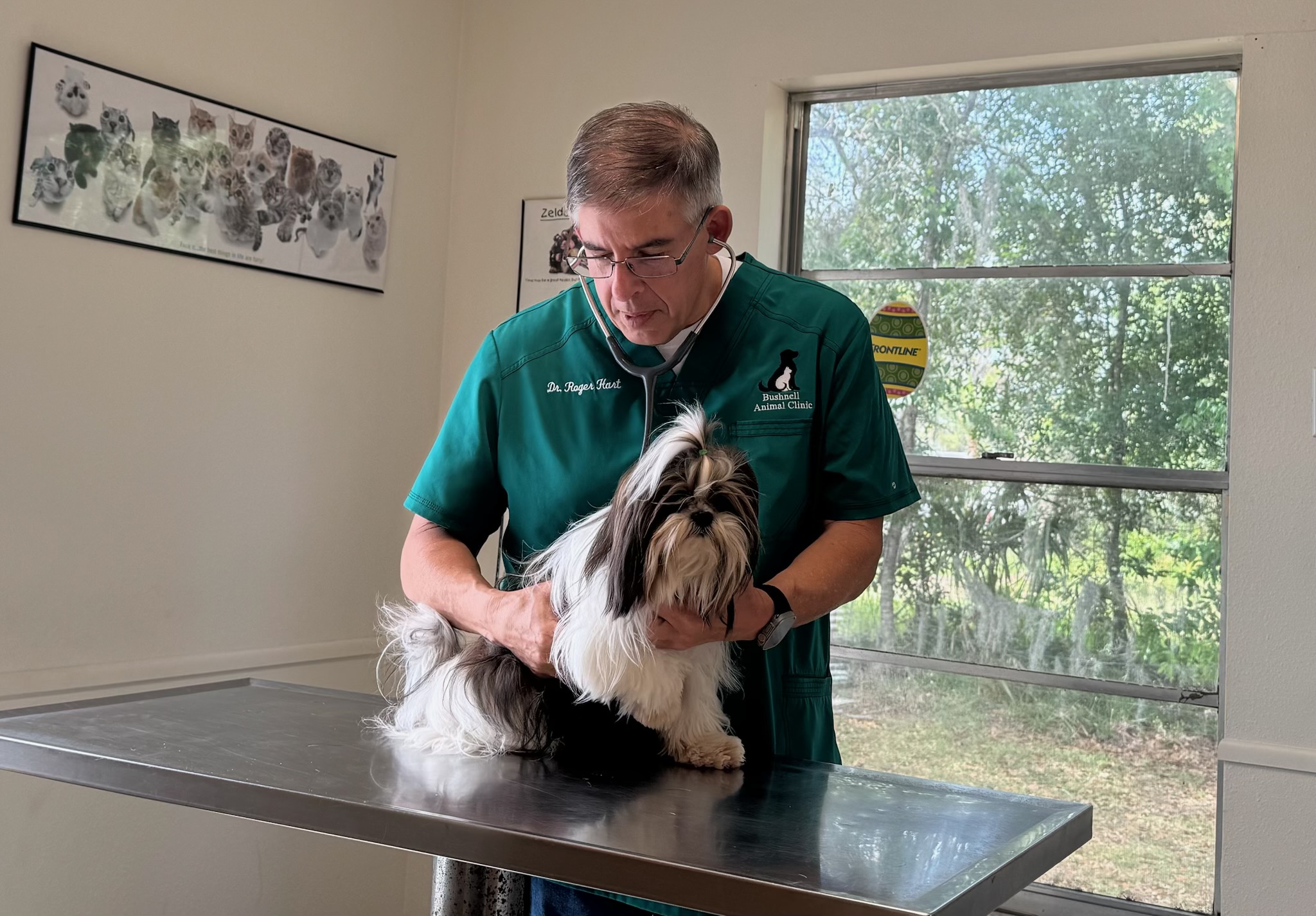
What Is a Veterinarian? Complete Guide to Veterinary Medicine for Pet Owners
Introduction A veterinarian is a Doctor of Veterinary Medicine (DVM) – a highly trained medical professional who diagnoses, treats, and prevents diseases in animals while also helping protect public health. This guide covers everything pet owners need to know about veterinary medicine, from the roles and specialties veterinarians fill to the education behind their expertise…
-

Heat Stroke in Dogs: Complete Emergency Guide for Pet Owners
Reviewed by Dr. Roger Hart, DVM Introduction Heat stoke in dogs is a life threatening condition that can kill a dog within 15 minutes of onset. Any breed, age, or size of dog can suffer from this medical emergency during warm weather – and in Central Florida’s humid subtropical climate, the risk persists for much…
-

Dog Ate Xylitol Gum: Emergency Steps, Treatment & Recovery Guide
If your dog ate xylitol gum, you are dealing with a veterinary emergency. Every minute counts. This guide walks you through exactly what to do right now, what happens at the vet, and how to prevent this from ever happening again. When a dog ate xylitol gum, monitoring for symptoms is essential. If your dog…
-

My Dog is Paralyzed: Complete Guide to Causes, Treatment, and Care Management
Introduction Paralysis in dogs means the complete or partial inability to move one or more limbs due to disrupted nerve communication along the spinal cord, peripheral nerves, or brain. If your dog is paralyzed, immediate veterinary care is essential – but know that many paralyzed dogs can still live fulfilling, comfortable lives with proper care…
-

Cat Not Eating: When to See Urgent Vet?
Introduction If your cat has not eaten for 24 hours, treat it as a veterinary emergency and contact a veterinarian. Cats should not go without food for more than 24 hours, and overweight cats face higher risks when not eating because they are more likely to develop hepatic lipidosis, a dangerous liver condition that can…
-
Raisin Toxicity in Dogs: Emergency Recognition and Treatment Guide
Introduction Raisin toxicity in dogs in dogs is a true emergency that demands immediate veterinary intervention. When a dog eats grapes or raisins, the resulting acute kidney injury can progress to complete kidney failure within 24 to 72 hours – and without prompt treatment, the outcome can be fatal. Raisins are highly toxic to dogs…
-
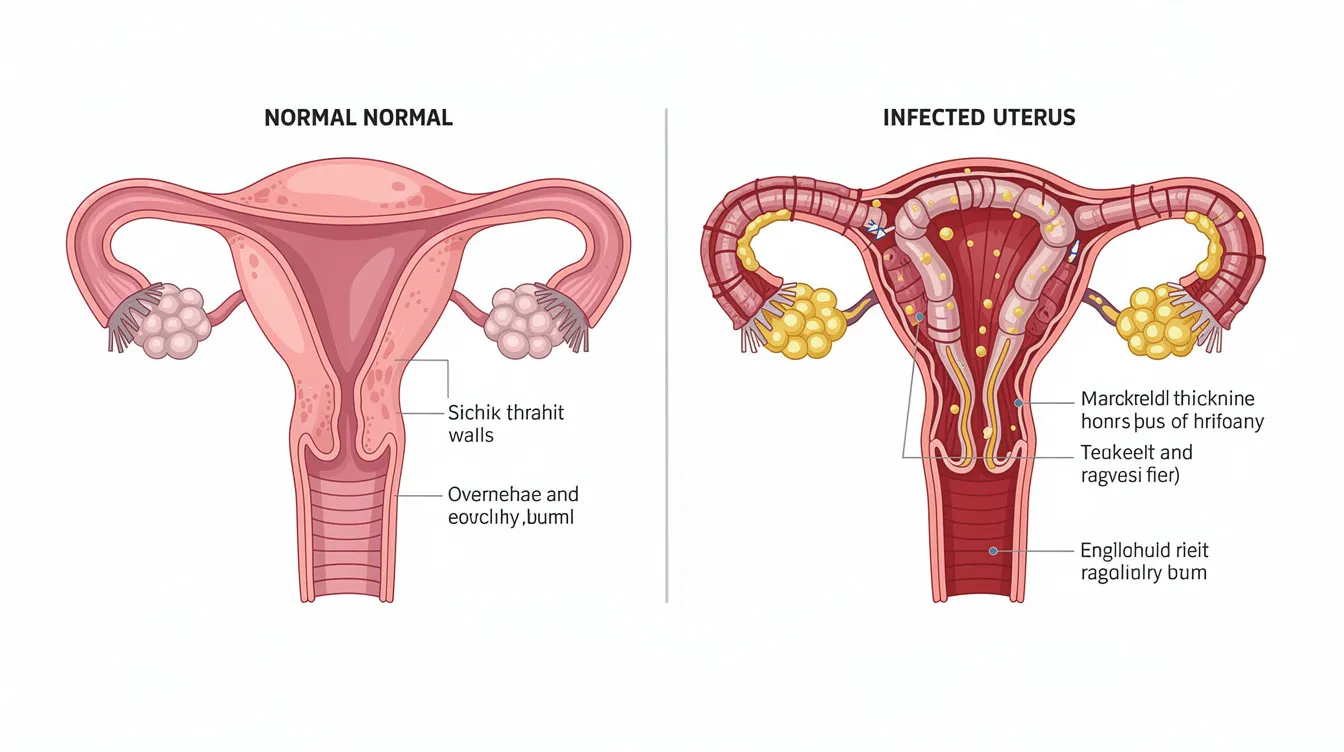
Canine Pyometra: How to Know if This is Critical?
Reviewed by Dr. Roger Hart, DVM Introduction Canine pyometra is a severe uterine infection in unspayed female dogs that can escalate to life-threatening shock within days. If your intact female dog is showing lethargy, vaginal discharge, or increased thirst-especially within weeks of her last heat cycle, canine pyometra is a medical emergency requiring immediate veterinary…
-

My Dog is Limping: When Should I See a Vet? Expert Guide
Introduction If your dog is limping and cannot bear weight, has severe pain, shows visible trauma, or has other symptoms such as lethargy, fever, vomiting, or disorientation, see a vet immediately. A limping dog may have anything from a minor paw irritation to a broken limb, joint dislocation, cranial cruciate ligament tear, or internal injuries…
-

My Dog is Squinting One Eye: Causes, Treatment & When to Call Your Vet
Introduction If your dog is squinting one eye, assume the eye is painful or irritated until a veterinarian proves otherwise. One-eye squinting is common in dogs because outdoor exposure, dust, grass seeds, pollen, insects, and trauma from branches or rough play can all irritate or injure the eye. If your dog is squinting one eye,…
-
Glaucoma in Dogs: Complete Guide to Symptoms, Treatment, and Management
Introduction Glaucoma in dogs is a serious eye disease characterized by increased intraocular pressure (IOP) that damages the optic nerve and retina, often leading to irreversible blindness if left untreated. This condition represents a true veterinary emergency – permanent vision loss can begin within hours of acute pressure elevation, making early diagnosis and immediate treatment…