Dental disease is one of the most common health problems in cats, yet it remains one of the most underdiagnosed. An estimated 50–90% of cats over 4 years old have dental disease, and about 70% of cats develop periodontal disease by age three. Many affected cats keep eating and hide mouth pain, so owners often do not realize anything is wrong.
This guide covers the major forms of feline dental disease, including periodontal disease, gingivitis in cats, tooth resorption, and stomatitis. It is designed for cat owners seeking to understand, prevent, and recognize oral health issues before they progress to painful, costly stages. Advanced surgical techniques beyond general veterinary practice fall outside the scope of this article.
Cat dental disease encompasses inflammatory and infectious conditions affecting the teeth, gums, and supporting structures, ranging from reversible gingivitis to severe tooth resorption requiring extraction. Left untreated, these conditions cause extreme pain, tooth loss, and can contribute to systemic diseases affecting major organs.
Understanding Cat Dental Disease
Feline dental disease refers to a group of conditions affecting oral health-from initial plaque buildup on tooth surfaces to advanced periodontal destruction involving bone surrounding the teeth. Over 50% of cats over three have dental disease in some form, making it a near-universal concern for cat owners.
The progression typically follows a predictable path. Plaque-a sticky bacterial biofilm-accumulates on a cat’s teeth along the gum line. Plaque hardens into tartar within 36-48 hours without cleaning, creating a rough surface that harbors more bacteria and accelerates the cycle of inflammation caused by the immune system’s response. What begins as mild, reversible gum tissue inflammation can advance to irreversible tissue damage and tooth loss if not addressed.
Primary Types of Feline Dental Disease
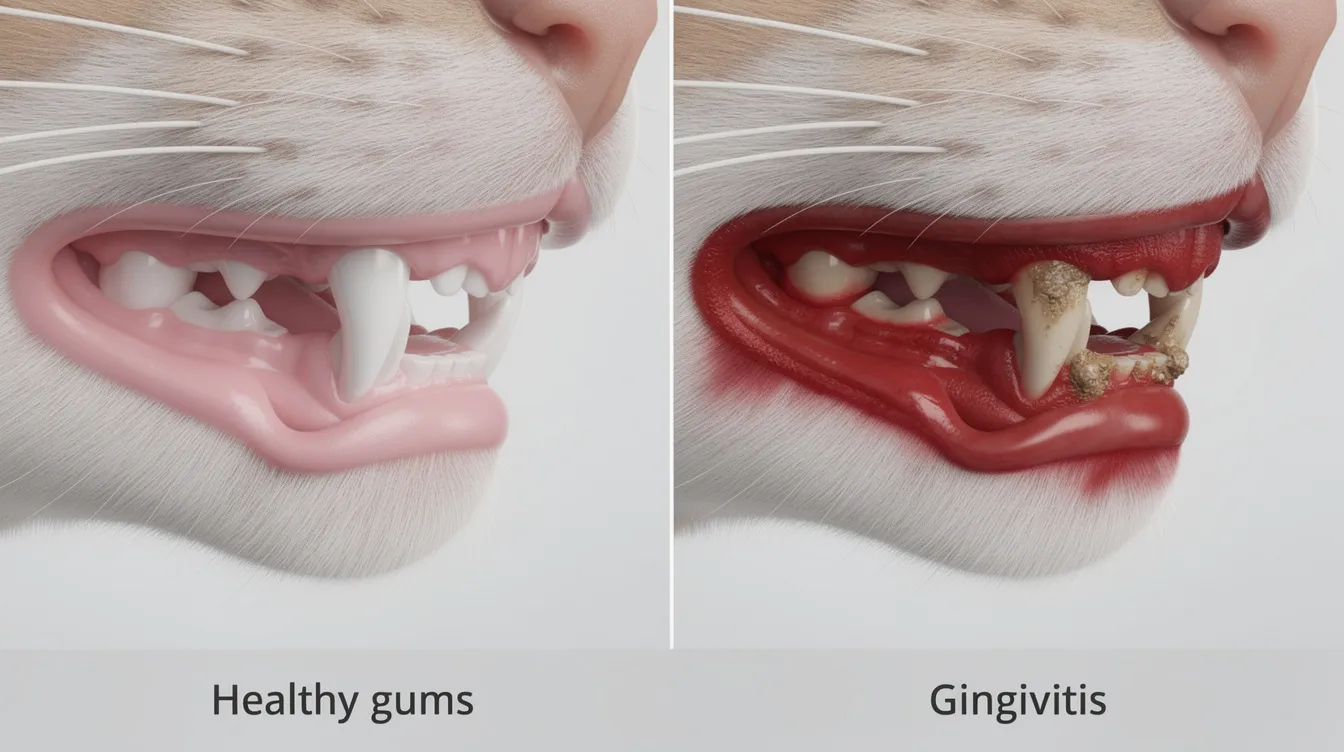
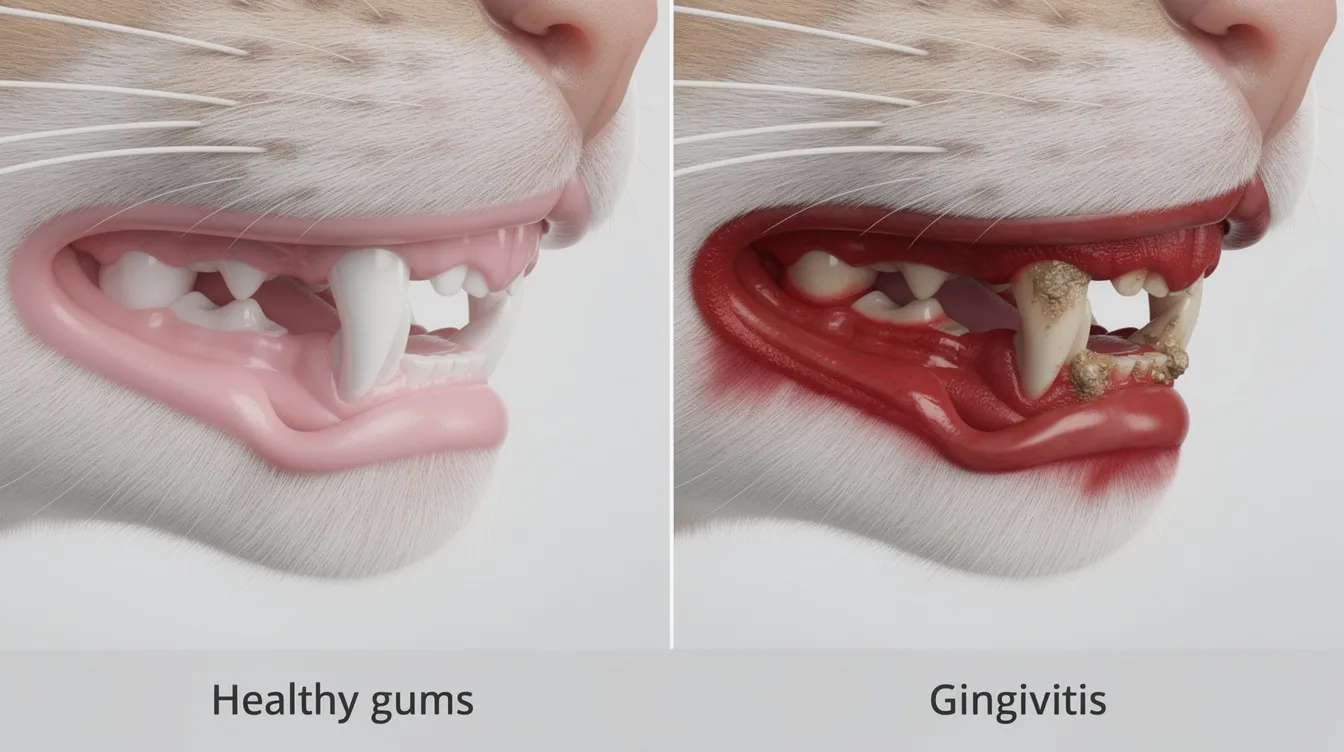
Gingivitis is the earliest stage of dental disease in cats, characterized by inflammation of the gum tissue caused by bacterial plaque accumulation at the cat’s gum line. When plaque and tartar are allowed to build up, bacteria proliferate along and beneath the gums, triggering redness, swelling, and bleeding. Cat gingivitis is reversible with professional treatment and consistent home care-but it is also the gateway to far more serious conditions.
Gingivitis can lead to periodontitis if untreated.
Progressive Dental Conditions
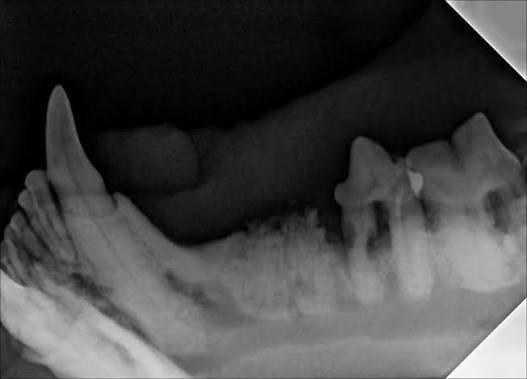
Periodontal disease starts with untreated gingivitis and represents a continuum of destruction that extends beyond the gums into the deeper structures supporting the teeth. As the disease advances, the periodontal ligament breaks down, alveolar bone is lost, and teeth become loose. Periodontal disease can lead to tooth loss and systemic infections, with bacteria from periodontal disease potentially affecting major organs including the heart, kidneys, and liver. Studies in primary care populations show a point-prevalence of approximately 15.2% in a single year, with affected cats having a median age of around 9.5 years-nearly double that of cats without the diagnosis.
Tooth resorption is a distinct and uniquely feline process in which odontoclasts-cells similar to osteoclasts-progressively destroy the mineralized tissues of a cat’s teeth. Tooth resorption affects 30 to 70% of cats and is the most common cause of tooth loss in cats. Unlike periodontal disease, tooth resorption begins inside the tooth and progresses outward, often remaining invisible on visual examination until advanced stages. Lesions from tooth resorption can be intensely painful for cats, yet many cats show no obvious discomfort until significant damage has occurred.
These conditions can occur simultaneously in the same cat’s mouth, compounding pain and complicating treatment.
Signs and Symptoms of Cat Dental Disease
Because cats often hide signs of pain until dental disease is advanced, owners must become skilled observers. Subtle changes in eating habits may indicate significant dental disease in cats, and behavioral changes can signal dental pain long before a cat shows obvious discomfort.
Early Warning Signs
Signs of dental disease in cats include bad breath and excessive drooling-halitosis is typically the first indicator owners notice. Persistent bad breath that goes beyond the occasional unpleasant smell after eating often points to bacterial overgrowth and tartar accumulation beneath the gum line.
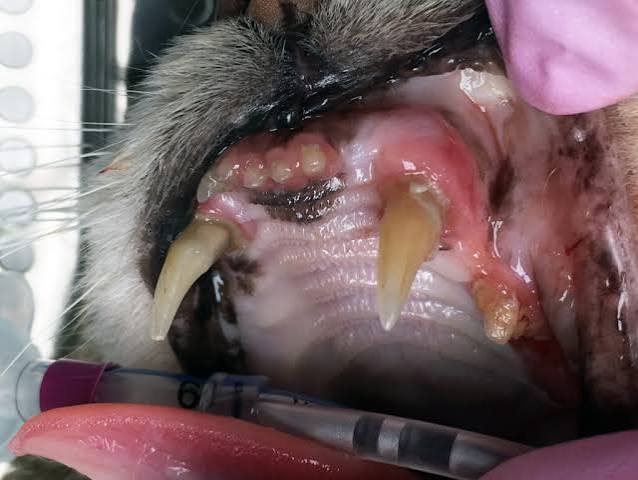
Yellow or brown tartar buildup along the cat’s gum line is visible without special equipment. Simply lifting your cat’s lip can reveal calculus deposits that signal active disease. Red, swollen, or bleeding gums-particularly noticeably red gums-during eating or grooming indicate inflammation that demands attention. Even mild gingivitis produces visible color changes in a cat’s gums compared to the healthy pale pink of normal tissue.
Advanced Disease Symptoms
As dental disease progresses, feeding difficulties become apparent. Difficulty eating, preference for soft foods, or dropping food while chewing are hallmarks of oral pain. Slow eating, missing meals, or turning away from previously enjoyed kibble should raise concern.
Pawing at the mouth, excessive drooling, or head shaking indicate that a cat is experiencing pain it can no longer mask. Many cats suffering from advanced dental disease show weight loss and reduced appetite. Behavioral changes-increased irritability, hiding, reduced grooming leading to a dull coat-reflect the toll of chronic oral pain on a cat’s quality of life.
Emergency Signs Requiring Immediate Care
Complete refusal to eat or drink for more than 24 hours warrants an urgent veterinary visit. Facial swelling may indicate a tooth root abscess, and visible loose or broken teeth, discharge from the mouth, or missing teeth where none were extracted suggest advanced structural damage.
Monitoring for early signs of oral disease is vital for preventing advanced disease-and understanding how veterinary professionals diagnose these conditions is the next essential step.
Diagnosis and Treatment Options
Accurate diagnosis of feline dental disease requires a comprehensive veterinary evaluation under general anesthesia. Awake oral examinations, while useful for initial screening, cannot detect subgingival disease, evaluate tooth root integrity, or assess bone loss. Regular veterinary exams are essential for detecting dental issues early, before disease reaches stages that demand extensive intervention.
Diagnostic Procedures
A professional dental exam is recommended whenever clinical signs are present, at annual wellness visits, and more frequently for older cats or breeds at higher risk. The diagnostic process follows a systematic sequence:
- Complete oral examination under general anesthesia for thorough assessment-allowing visualization of every tooth surface, the cat’s gums, tongue, palate, and caudal oral tissues without patient stress or movement
- Dental radiographs to evaluate tooth roots and surrounding bone structure-critical because up to three quarters of dental pathology occurs below the gum line where visual inspection cannot reach
- Probing of gum pockets to measure periodontal disease severity-pocket depths exceeding normal values indicate attachment loss and active disease
- Documentation of affected teeth and staging of disease progression-charting each tooth’s condition guides treatment planning and provides baseline data for future comparison
For cats with suspected stomatitis or lesions unresponsive to standard treatment, additional diagnostics may include bloodwork, testing for feline immunodeficiency virus and feline leukemia virus, and occasionally biopsy of oral tissues to rule out neoplasia.
Treatment Comparison
Condition | Severity | Treatment Options | Expected Benefits | Limitations |
|---|---|---|---|---|
Gingivitis / Early Periodontal Disease | Mild–Moderate | Professional dental cleaning and scaling; at home care with daily brushing; dental diet | Reversal of gingivitis; slowed progression; reduced pain | Requires ongoing home care compliance; anesthesia required; recurring cost |
Tooth Resorption – Type 1 | Crown defects with intact roots | Full extraction of crown and tooth root | Complete removal of diseased tissue; elimination of pain source | Surgical complexity; post-operative recovery; potential root fracture risk |
Tooth Resorption – Type 2 | Roots replaced by bone-like tissue | Crown amputation with intentional root retention | Less invasive; shorter anesthesia time; fewer complications | Requires radiographic monitoring; not suitable for all cases |
Stomatitis / FCGS | Severe, generalized inflammation | Full mouth extractions or partial extractions; immunosuppressive therapy | Up to 60% of cats may have reduced stomatitis symptoms with treatment; dramatic pain relief | Some cats need ongoing medical management; not always fully curative |
Advanced Periodontal Disease | Deep pocketing, bone loss, loose teeth | Extraction of multiple teeth plus professional cleaning | Removes infection source; resolves symptoms of periodontal disease including persistent bad breath and loose teeth | Loss of teeth; dietary adjustment needed; procedural cost |
Veterinary dental cleaning involves removing tartar and plaque under anesthesia using specialized instruments, followed by polishing to smooth tooth surfaces and reduce future plaque attachment. Professional dental cleanings may be needed every 6-12 months depending on the individual cat’s disease status and risk factors.
Specialized Treatments
For fractured teeth where the tooth root and pulp are exposed but the tooth is otherwise structurally sound, root canal therapy may preserve the tooth in select cases-though this requires referral to a veterinary dental specialist.
Crown amputation with intentional root retention is appropriate specifically for Type 2 tooth resorption cases, where radiographs confirm the roots have been replaced by bone-like tissue with no signs of infection or periodontal ligament involvement. This approach reduces surgical time and anesthesia duration.
Feline chronic gingivostomatitis is a severe inflammatory condition that causes intense pain-an incredibly painful inflammation affecting not just the gums but the oral mucosa throughout the cat’s mouth. Stomatitis causes severe inflammation and ulceration in cats’ mouths, and cats with stomatitis may lose weight due to painful eating. Stomatitis can be triggered by chronic viral infections in cats, including feline calicivirus. Severe stomatitis often requires extraction of affected teeth, with studies showing approximately 90% of cats experiencing significant improvement after full mouth extractions. Immunosuppressive therapy with medications such as cyclosporine may supplement surgical treatment for affected cats who do not fully respond.
Treatment selection depends on the individual cat’s condition, age, overall health, and the specific type and stage of disease present. Preventive care can delay the onset and severity of feline dental issues, making home care and prevention the most impactful long-term strategy.
Common Challenges and Solutions
Managing a cat’s dental health presents practical obstacles that every owner encounters.
Cat Resistance to Tooth Brushing
Most cats do not naturally accept having their teeth brushed, but gradual desensitization makes it possible. Start by letting your cat taste cat-specific toothpaste from your finger, then progress to rubbing the gums with a finger wrapped in gauze, and eventually introduce a pet safe toothbrush. Sessions should be short, positive, and paired with rewards. Daily brushing prevents plaque and tartar buildup and remains the gold standard for at home care.
For cats who absolutely will not tolerate brushing your cat’s teeth, alternatives exist. Dental treats approved by the Veterinary Oral Health Council, veterinary-approved dental diets designed to reduce plaque accumulation, and water additives can help reduce tartar accumulation. These products work by mechanically scrubbing tooth surfaces or chemically inhibiting bacterial growth-though none fully replaces the effectiveness of daily brushing with a pet safe toothbrush. Use toothpaste specifically designed for cats to avoid toxicity, as human toothpaste contains fluoride and xylitol, both of which are toxic to cats and potentially harming their health.
Cost Concerns for Dental Procedures
The cost of dental radiographs, general anesthesia, and extractions can seem substantial. However, preventive care-regular cleanings, daily brushing, and veterinary-approved dental diets-is far more cost-effective than treating advanced dental disease requiring surgical intervention on multiple teeth. A single professional cleaning addresses problems that, left untreated, could require thousands of dollars in extractions and medical management.
Many veterinary clinics offer payment plans, and pet dental insurance increasingly covers preventive and therapeutic dental procedures. Investing in prevention protects both your cat’s quality of life and your finances.
Anesthesia Safety Worries
Anesthesia concerns are the most common reason owners delay dental care. Modern anesthetic protocols have made the procedure remarkably safe. Published data on feline dental procedures shows an overall peri-anesthetic mortality rate of approximately 0.63% across nearly 15,000 cats. Pre-anesthetic bloodwork identifies hidden organ dysfunction, ASA classification stratifies risk, and continuous monitoring of blood pressure, heart rate, oxygen saturation, and temperature during the procedure minimizes complications.
Risk increases in cats with poor health status, extremes of body weight, age over 12 years, and in brachycephalic breeds such as Persians. However, the risk of leaving dental disease untreated-chronic pain, infection, systemic disease-almost always outweighs the procedural risk.
Anesthesia-free dental cleanings, sometimes marketed as a safer alternative, are ineffective and potentially harmful for cats. They cannot address subgingival disease, do not allow radiographs, cause significant stress, and create a false sense of security by cosmetically improving the visible teeth while disease progresses unseen below the gum line.
Addressing these challenges clears the path toward the most powerful approach to feline dental disease: consistent prevention.
Key Points and Next Steps
Feline dental disease affects the vast majority of cats and progresses silently. Early recognition and intervention prevent painful, expensive disease progression and protect your cat’s overall health from the systemic consequences of chronic oral infection. Whether your cat develops gingivitis, periodontal disease, tooth resorption, or stomatitis, the outcome improves dramatically with prompt professional treatment and consistent home care.
Citations:
Understanding the role of diet in cat dental disease is critical.
- Schedule an annual dental examination with your veterinarian-more frequently for older cats, young cats with early signs, or predisposed breeds like Siamese, Maine Coons, and Burmese
- Begin a daily home dental care routine using cat-specific toothpaste and a pet safe toothbrush, supplemented with Veterinary Oral Health Council-approved dental treats and water additives
- Monitor for warning signs daily-bad breath, changes in eating behavior, drooling, pawing at the face, or food debris left around the food bowl
Related topics worth exploring include the role of nutrition in oral health, senior cat dental considerations, and the connection between dental problems and systemic diseases including kidney and heart disease. For advanced cases, board-certified veterinary dentists provide root canal therapy, complex extractions, and management of stomatitis that does not respond to treatment.
Frequently Asked Questions
How often should my cat have professional dental cleanings? Professional dental cleanings may be needed every 6-12 months, depending on your cat’s individual risk factors. Cats with active periodontal disease, older cats, and breeds predisposed to dental issues may benefit from more frequent dental cleanings. Your veterinarian will recommend a schedule based on findings during each dental exam.
Can I use human toothpaste on my cat’s teeth? No. Human toothpaste contains fluoride and often xylitol, both of which are toxic to cats. Always use toothpaste specifically designed for cats. These formulations are safe if swallowed and come in flavors cats find appealing, making daily brushing easier to maintain.
What are the safest dental treats for cats? Look for dental treats bearing the Veterinary Oral Health Council seal of approval. VOHC-approved products have been independently tested and proven to reduce plaque or tartar accumulation. Avoid treats that are excessively hard, as these can fracture a cat’s teeth-particularly in cats already affected by tooth resorption.
How do I know if my cat’s bad breath is normal or concerning? Occasional mild odor after eating can be normal. Persistent, foul-smelling bad breath-especially when accompanied by drooling, difficulty eating, weight loss, or behavioral changes-signals active dental disease and warrants a veterinary examination. Halitosis is one of the earliest and most reliable clinical signs owners can detect.
Are some cat breeds more prone to dental disease? Yes. Siamese cats had periodontal disease prevalence of approximately 18.7% and Maine Coons approximately 16.7% in primary care studies. Burmese and Siamese cats may develop tooth resorption at younger ages. Some purebred cats, including those predisposed to feline juvenile gingivitis-also called juvenile onset periodontitis-can show dental problems as young cats well before middle age. Brachycephalic breeds like Persians also carry higher anesthesia risk during dental procedures.
What should I expect during my cat’s dental procedure? The process begins with pre-anesthetic bloodwork to assess organ function, followed by placement of an IV catheter and induction of general anesthesia. Full mouth dental radiographs are taken to evaluate every tooth root and the bone surrounding each tooth. A thorough oral examination with probing follows. Cleaning, scaling, polishing, and any necessary extractions are performed. Pain medications including local nerve blocks are administered. Most cats recover within several hours and go home the same day.
How can I help my cat recover after tooth extraction? Offer soft foods for 7–14 days to avoid irritating extraction sites. Administer all prescribed pain medications and antibiotics as directed. Monitor for signs of complications including swelling, discharge, or refusal to eat. Most cats adapt quickly-even after extraction of multiple teeth, most cats eat comfortably once healing is complete. Restrict vigorous play for the first few days to support recovery.
When should kittens have their first dental examination? Kittens should have their first dental exam at their initial veterinary visit, typically around 8–10 weeks of age. A follow-up assessment around 4–6 months-when adult teeth erupt-helps identify retained baby teeth, malocclusion, or early signs of juvenile gingivitis. Purebred kittens or those showing early gum inflammation should be monitored closely and may need more frequent evaluations.
- Veterinary Oral Health Council (VOHC): Maintains a list of accepted products-dental treats, diets, water additives, and chews-proven to reduce plaque or tartar on cat’s teeth
- Veterinary dental specialists: For advanced cases including refractory stomatitis, complex extractions, or root canal therapy, referral to a board-certified veterinary dentist may be the best option
- Pet insurance providers: Several companies now cover dental procedures including cleanings, extractions, and treatment of dental disease in cats-review policies for coverage of both preventive and therapeutic care
Citations:
- Cornell University College of Veterinary Medicine, Feline Health Center. “Feline Dental Disease.” Cornell Feline Health Topics.
- O’Neill DG, et al. “Periodontal disease in cats under primary veterinary care in the UK: frequency and risk factors.” Journal of Feline Medicine and Surgery, 2023.
- Gorrel C, Andersson S, Verhaert L. “Tooth resorption in cats: pathology, classification, and clinical significance.” PMC Review, 2021.
- Rusbridge A, et al. “Peri-anaesthetic mortality in cats undergoing dental and oral procedures.” CEPSAF Study, PMC, 2025.
- Kerns KG, et al. “Transcriptomic profiling of feline tooth resorption identifies MMP9 as a therapeutic target.” Journal of Veterinary Dentistry, 2020.
Reviewed by Roger Hart, DVM, a Florida-licensed veterinarian with more than two decades of companion-animal clinical experience. This article is general education and does not replace an examination by your own veterinarian.