Preventive Care
-
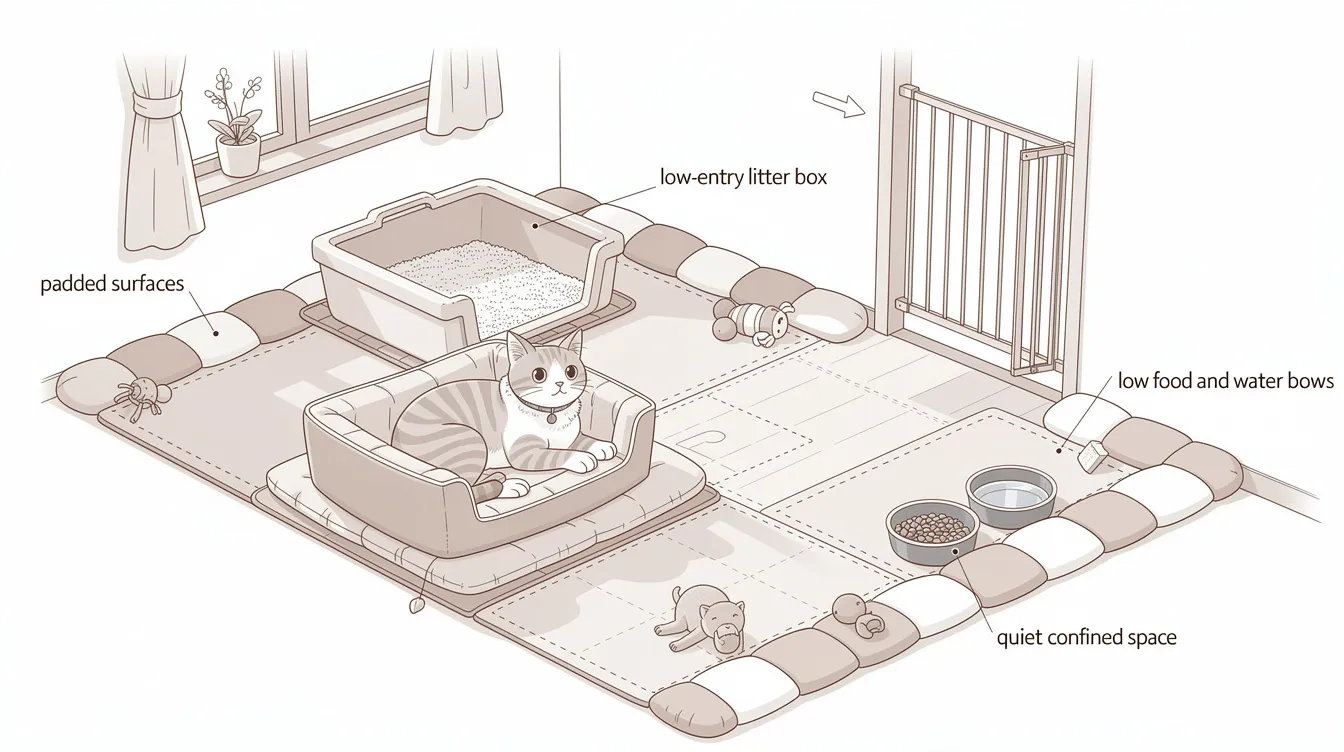
Cat Head Tilt: Causes, Diagnosis, and Treatment Guide
Introduction A persistent head tilt, with one ear held lower than the other, can signal a problem with the balance system in the inner ear or brain. A brief curious tilt is different, but contact a veterinarian promptly for a new, persistent tilt or loss of balance; do not wait hours or days to see…
-

What Can I Give My Dog for Pain? Safe Options and What to Avoid
Only veterinarian-prescribed medications are safe for dog pain relief. Never give your dog human pain medications like ibuprofen, naproxen, or acetaminophen – even a single dose can cause kidney failure, liver failure, or life threatening reactions. Safe options include prescription NSAIDs formulated specifically for dogs, opioids for severe pain, gabapentin for nerve pain, and supportive…
-
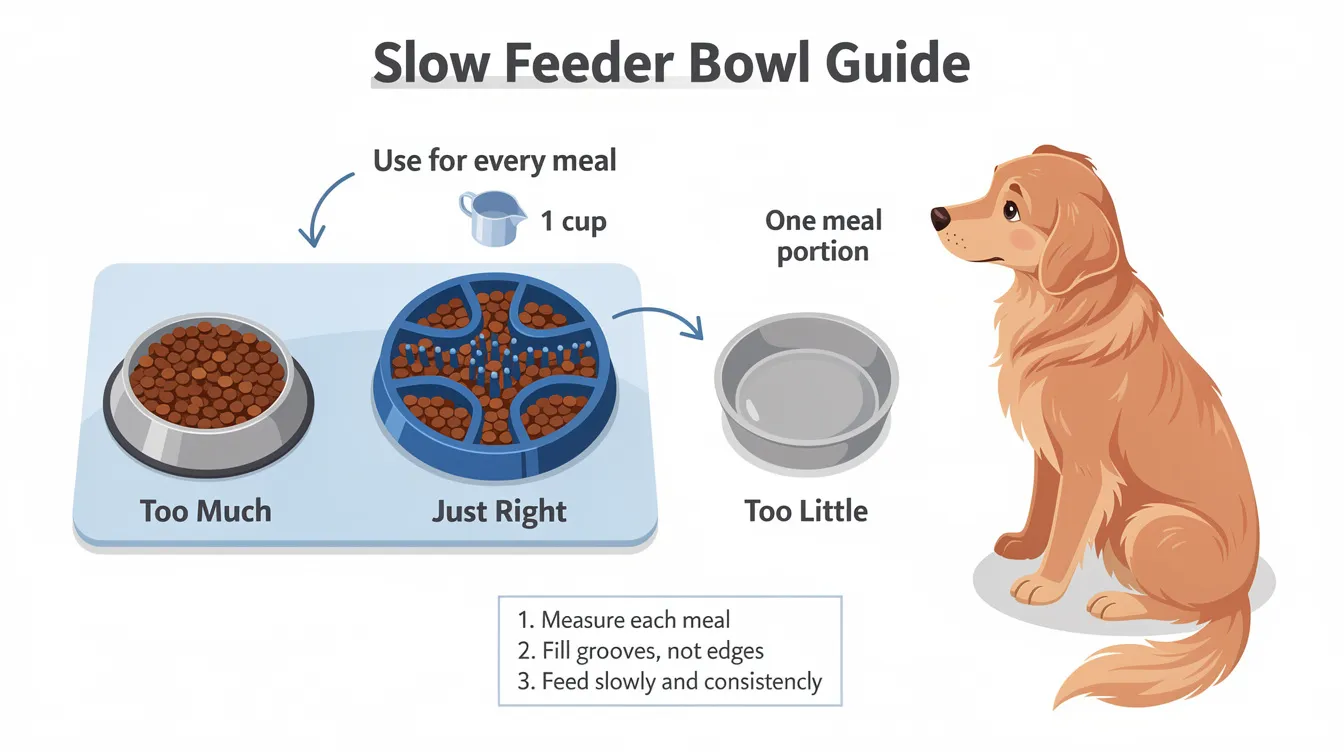
Why Does My Dog Keep Throwing Up? Causes and When to Worry
Repeated vomiting is one of the most common reasons dogs see a veterinarian. If your dog is vomiting repeatedly, understanding what’s behind it can mean the difference between a manageable mild stomach upset and a life threatening emergency. This article covers common causes of repeated vomiting, the warning signs that need immediate care, safe home…
-

Dog Crying in Pain: What It Means and When to See a Vet
When your dog is crying in pain, it almost always means something is wrong-and pain is one of the most common reasons. Dogs can express pain through crying, yelping, or whimpering, and these vocalizations are rarely random. They are evolutionary signals designed to communicate distress, and as a pet owner, learning to decode them can…
-
Gastroenteritis in Puppies: Symptoms, Causes, and When It Is an Emergency
Gastroenteritis in puppies is inflammation of the stomach and intestines that causes vomiting and diarrhea – and in young dogs, it can escalate from mild discomfort to a life-threatening emergency within hours. Puppies dehydrate and develop low blood sugar faster than adult dogs, so vomiting or diarrhea that would be minor in an adult can…
-
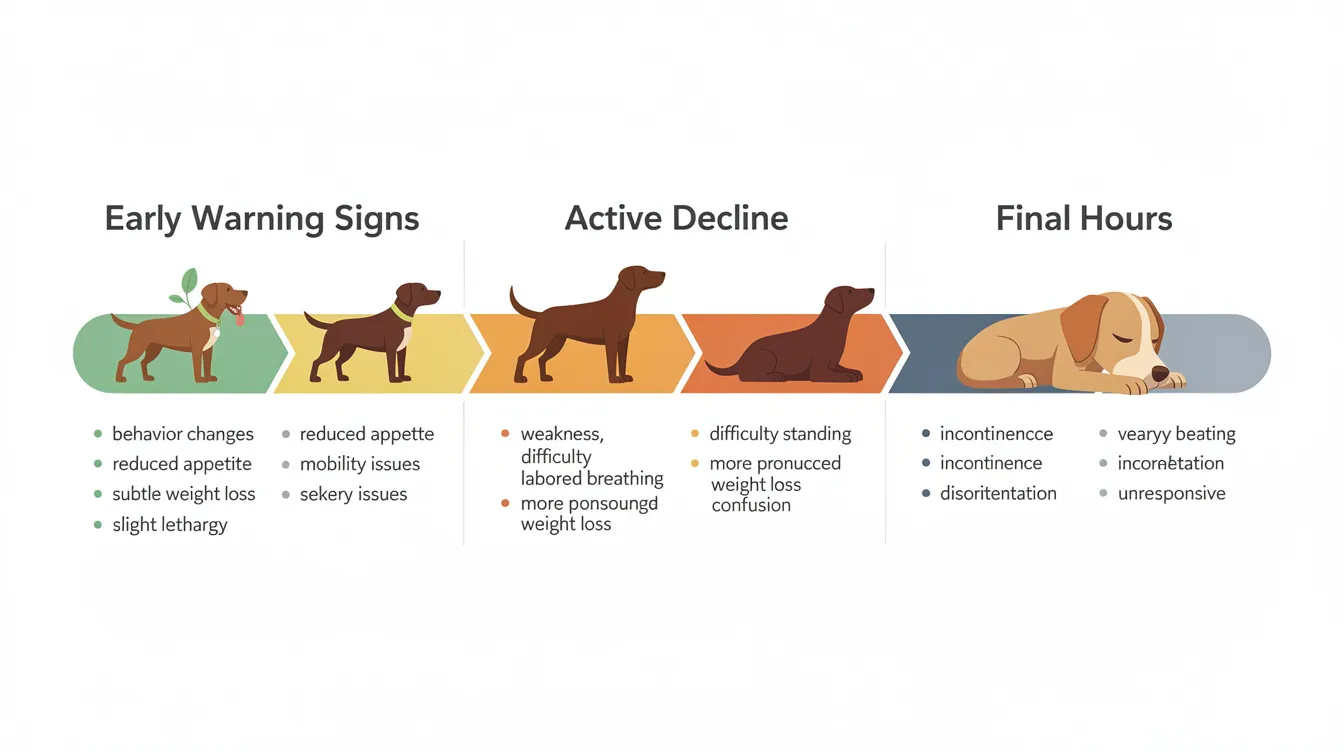
Signs That a Dog is Dying: A Complete Guide to Recognizing End-of-Life Symptoms
Introduction Recognizing that your dog is dying is one of the most painful experiences a pet owner will ever face. Whether your beloved pet is battling a terminal illness or experiencing the natural decline that comes as dogs age, understanding the common signs that dog is dying allows you to provide comfort, reduce unnecessary suffering,…
-
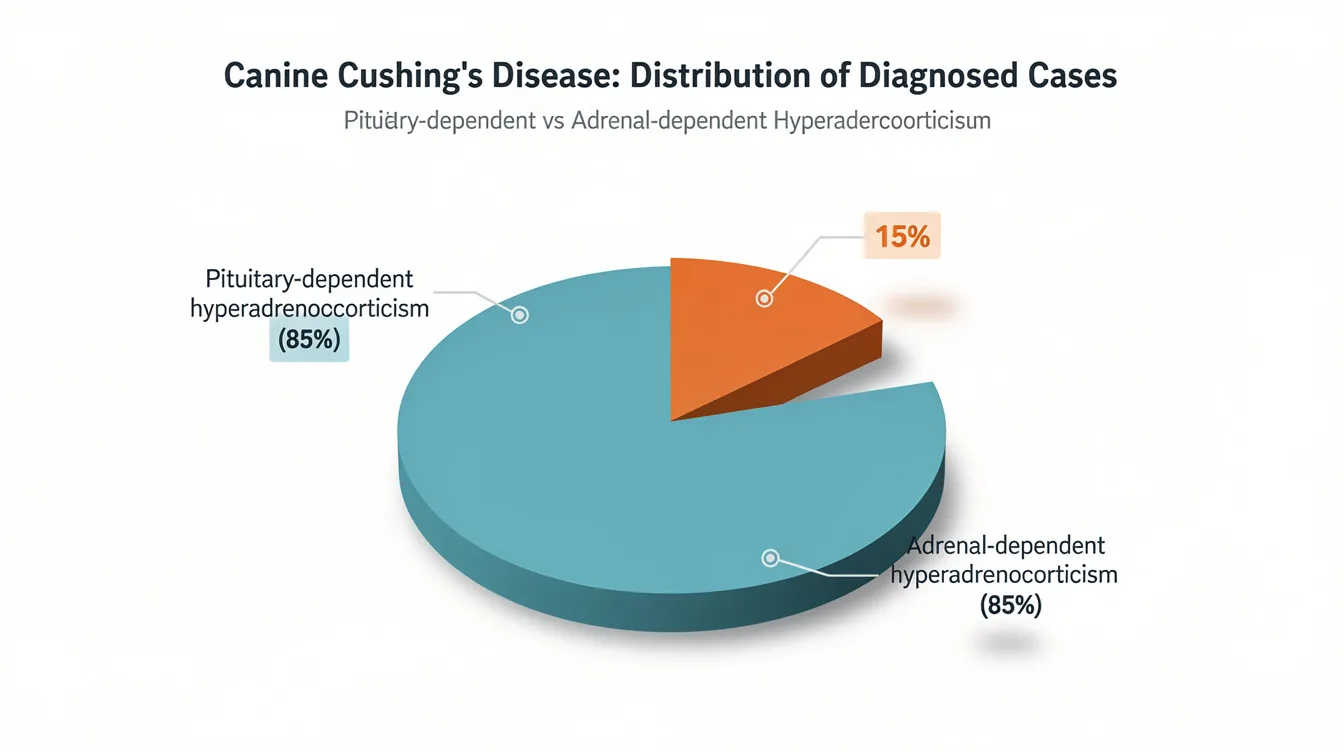
Cushing’s Disease in Dogs: Signs, Testing, and Treatment
Cushing’s disease in dogs is a common endocrine disorder in dogs caused by excess cortisol production that gradually damages multiple body systems over months to years. The condition, called hyperadrenocorticism or Cushing’s syndrome, is diagnosed in roughly 1 to 2 dogs per 1,000 each year in general practice and is most common in middle-aged and…
-
Is Lavender Safe for Dogs? A Veterinary Guide for Pet Owners
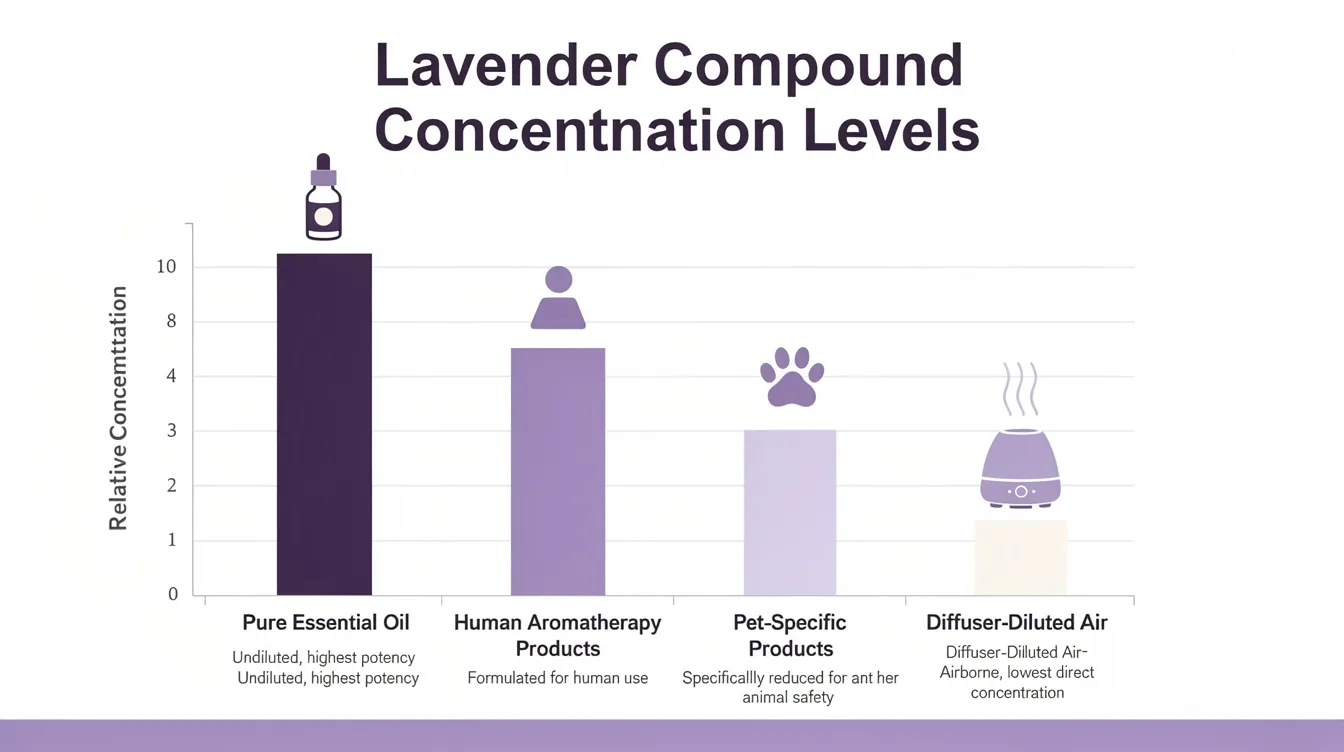
Introduction Lavender is mildly toxic to dogs, but whether it poses a real danger depends entirely on the form, concentration, and amount of exposure your dog encounters. A single sniff of a lavender bush in your Spring Hill garden is worlds apart from a dog licking undiluted lavender essential oil off a countertop. Understanding these…
-
Respiratory Illness in Dogs: Kennel Cough, Flu, Pneumonia, and Warning Signs
Respiratory illness in dogs covers a spectrum of infections and conditions affecting the airways and lungs – from a mild, self-limiting kennel cough to life-threatening bacterial pneumonia. If your dog is coughing, showing a runny nose, or experiencing labored breathing, understanding the cause and knowing when to act can make the difference between a quick…
-
Skinny Cat: When to Worry and How to Help Your Underweight Feline
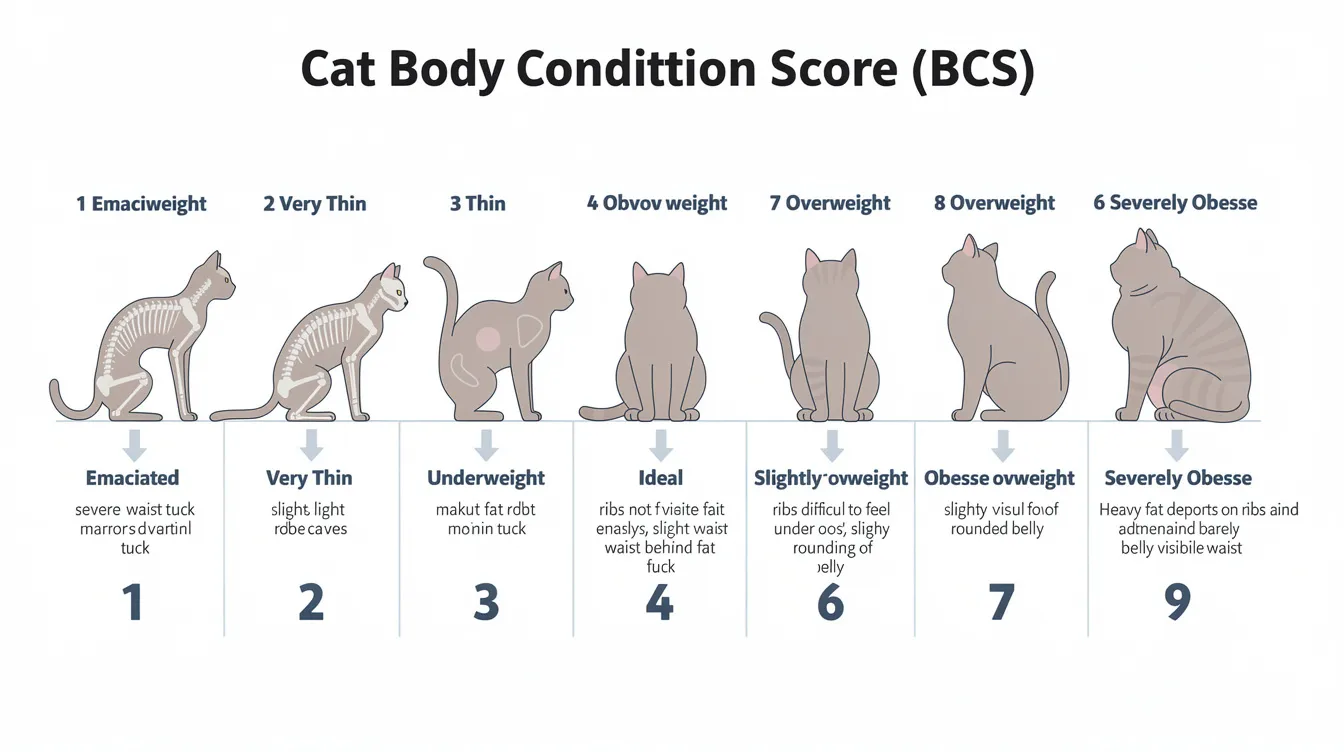
Introduction A skinny cat isn’t always a sick cat, but it’s always worth investigating. Whether you’re wondering why your underweight cat‘s ribs are showing or you’ve noticed your older pet gradually losing weight, understanding the difference between a naturally lean feline and one experiencing concerning weight loss can prevent serious health problems down the line.…