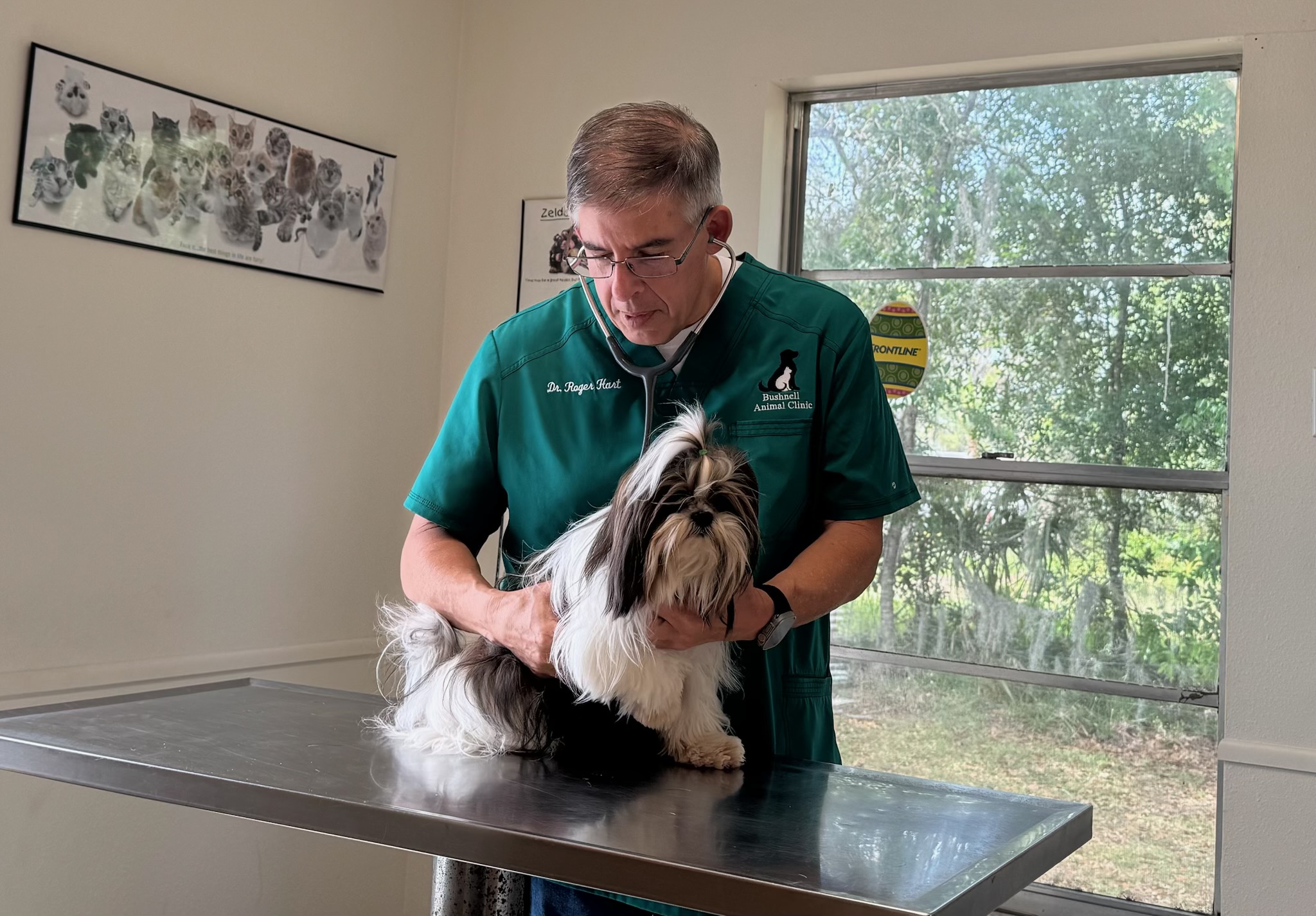
A veterinarian is a Doctor of Veterinary Medicine (DVM) – a highly trained medical professional who diagnoses, treats, and prevents diseases in animals while also helping protect public health. This article explains what veterinarians do, how they are trained and licensed, how board-certified specialists differ from general practitioners, and what to expect at routine and emergency visits.
It is written for dog and cat owners who want to understand how veterinary care works and how to judge its quality. Whether you’re bringing home a new pet or seeking trusted care for a longtime companion, understanding the veterinary profession helps you become a more confident, informed advocate for your animal’s well being.
A veterinarian is a person qualified to provide comprehensive medical, surgical, and preventive care for pets, diagnosing illnesses, treating injuries, performing surgeries, and advising owners on nutrition, animal behavior, and disease prevention. Veterinarians also investigate zoonotic diseases – illnesses that can spread between animals and humans – making their work essential for both animal and human health.
Understanding the Veterinary Profession
A veterinarian holds a Doctor of Veterinary Medicine degree earned through years of rigorous veterinary medical training that covers anatomy, physiology, pharmacology, surgery, diagnostics, and preventive medicine. As of 2022, there are 124,069 veterinarians in the U.S., and veterinarians require a Doctor of Veterinary Medicine degree to practice. For pet owners, this means your vet is among the most extensively trained medical professionals you’ll encounter – someone whose clinical decisions directly shape your pet’s health outcomes and quality of life.
Core Responsibilities of Veterinarians
Veterinarians provide medical care, health management, and preventive medicine for animals. Their core responsibilities span several critical areas:
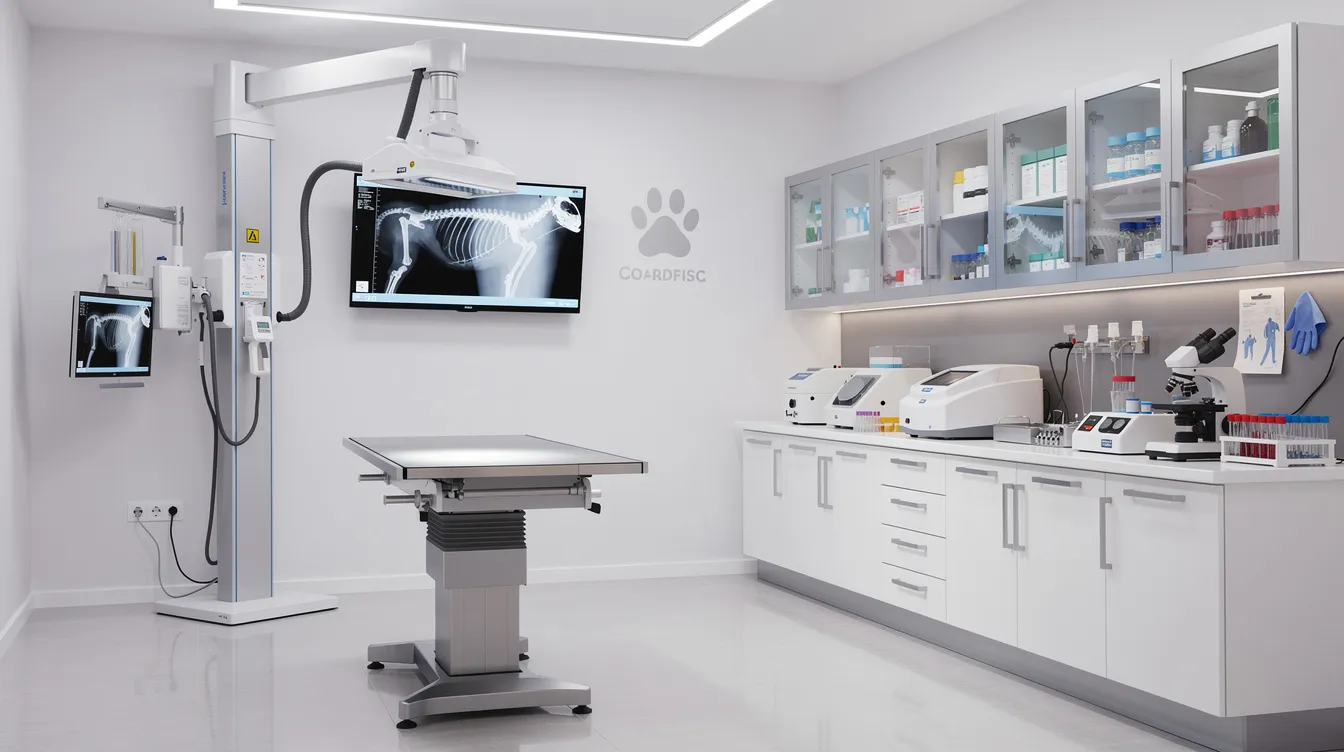
- Medical diagnosis and treatment: Veterinarians diagnose illnesses, treat injuries, and perform surgeries on animals. On-site blood work, urinalysis, digital X-rays, and ultrasounds identify illnesses in pets, allowing for accurate diagnosis and timely intervention. Advanced treatments include companion laser therapy and chemotherapy for pets facing serious conditions.
- Preventive care and vaccination programs: Preventive care includes routine wellness exams, vaccinations, and parasite control. Routine physical exams, core vaccinations, and parasite prevention are part of this preventive approach. Preventive care stops serious, contagious, and costly illnesses before they start, especially in warm climates where heartworm, flea, and tick exposure is year-round.
- Surgical procedures: Veterinarians perform routine spay/neuter procedures and soft-tissue surgeries, as well as more complex interventions for trauma, masses, and orthopedic conditions. Professional dental cleanings and X-rays prevent periodontal disease in pets – a commonly overlooked area that directly affects general health.
- Emergency medicine: Veterinarians provide immediate attention for sudden trauma and acute illnesses. Whether it’s bloat (GDV), poisoning, or respiratory distress, emergency care can mean the difference between life and death.
Together, these responsibilities reflect comprehensive veterinary services designed to keep your dogs and cats healthy through every stage of life.
Veterinarian vs Other Animal Care Professionals
Understanding who does what in a veterinary clinic helps pet owners know where their pet’s medical decisions come from. A veterinarian (DVM) leads all clinical practice – they are the only person qualified to diagnose conditions, prescribe medications, develop a treatment plan, and perform surgery. In Florida and across the U.S., only a licensed veterinarian can legally practice veterinary medicine.
A veterinary technician typically completes a two- or four-year associate’s degree and handles important support tasks: assisting in surgery, monitoring anesthesia, running lab tests, and educating clients. However, technicians cannot diagnose or prescribe. Other animal care workers – such as those providing grooming services or kennel assistance – play valuable roles but operate outside the scope of medical care entirely.
Approximately 67% of veterinarians engage in companion animal practice, making them the primary medical professionals most pet owners interact with. The depth of education and clinical authority behind a DVM is what separates veterinary care from other animal services – and it’s why understanding veterinary specialties matters.
Types of Veterinary Practice and Specialties
The veterinary field is broad, and not every vet works in the same setting or treats the same conditions. The AVMA recognizes 46 veterinary specialties across 22 specialty organizations, and more than 16,500 veterinarians hold board-certified specialist status. For pet owners, knowing the difference between practice types helps you understand when your companion animal vet can handle a situation and when a referral may be necessary.
Companion Animal Practice
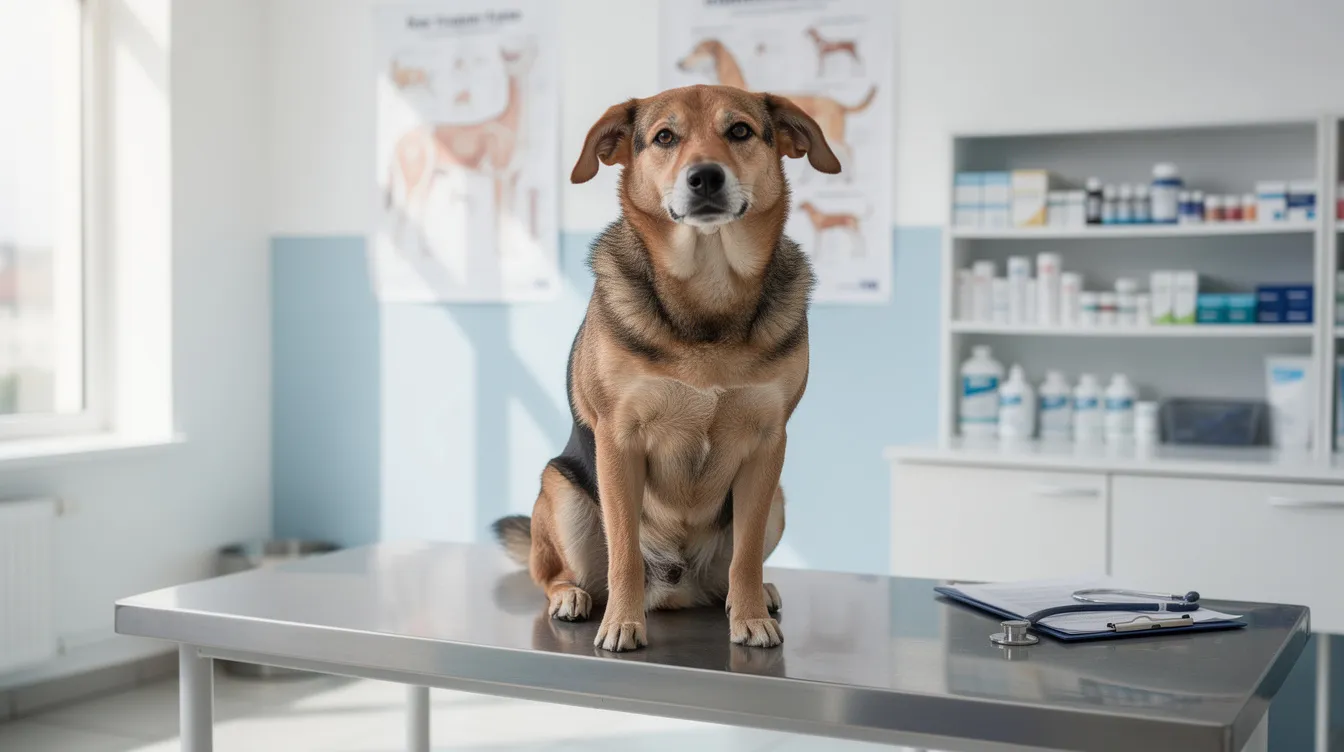
Companion animal practice is where most pet owners experience veterinary care firsthand. These clinics – sometimes called an animal hospital or family practice – focus on dogs, cats, and sometimes small mammals. Approximately 75% of veterinarians in the U.S. work in private practice, and the majority of those serve companion animals.
Services at a companion animal practice include annual wellness exams, vaccination schedules, parasite prevention, nutritional counseling, basic dental care, and diagnostics like bloodwork and imaging. Many veterinarians in these settings also handle minor to moderate surgeries, dental procedures, and chronic disease management. Your companion-animal veterinarian is your main point of contact and the basis of a veterinarian-client-patient relationship.
Emergency and Specialty Veterinary Medicine
Emergency veterinary services exist for life-threatening or rapidly evolving situations: severe bleeding, difficulty breathing, choking, seizures, foreign body obstruction, suspected poisoning, heatstroke, and bloat. These clinics are equipped with staff, diagnostics, and surgical capabilities to handle critical cases around the clock.
Veterinary specialists are board-certified DVMs who have completed additional training – typically a 3–4 year residency plus rigorous board examinations – in areas such as internal medicine, surgery, dentistry, dermatology, oncology, cardiology, or neurology. About 9% of veterinarians board certify in one of 40 specialties. Veterinary specialties are accredited by the AVMA in North America. Specialized veterinarians undergo additional internships and residencies after veterinary school, and veterinary specialties include anesthesiology, dentistry, and surgery, among many others.
Veterinarians also offer tailored geriatric medicine and hospice care for senior pets – an increasingly important service as pets live longer. If your companion animal vet identifies a condition requiring advanced diagnostics or procedures beyond their scope, they will refer you to a board-certified specialist, usually at a specialty or university hospital. This referral process is a sign of quality care, not a limitation.
Other Veterinary Career Paths
Not all veterinarians work in clinical practice. Many veterinarians work in roles that still directly affect your pet’s safety and well being:
- Public health veterinarians work in public health agencies at local and federal levels, investigating zoonotic disease outbreaks and helping control zoonotic diseases that affect humans. More than 100 veterinarians work at the CDC alone. Veterinarians investigate animal and human disease outbreaks, playing a critical role in protecting communities from foreign animal diseases.
- Research veterinarians contribute to drug development, infectious disease research, and new treatments that eventually reach your local clinic.
- Regulatory medicine professionals ensure food safety through inspections and disease testing. Veterinarians ensure food safety through animal health maintenance – a role most pet owners never see but one that protects both livestock and human health.
- Other vets work in academia, wildlife medicine, or with exotic species, and many develop continuing education programs that keep practicing veterinarians current on emerging science.
These roles form the broader ecosystem that supports the clinical practice veterinarians you visit – ensuring safety, advancing medicine, and protecting public health at every level.
Veterinary Education and Professional Standards
The depth of expertise behind your veterinarian reflects years of intensive education and ongoing professional development. Understanding this pipeline helps pet owners appreciate why veterinary care involves the level of investment it does – and why credentials matter when you’re choosing a vet for your family.
Veterinary Medical Training Requirements
Becoming a veterinarian involves completing a bachelor’s degree and veterinary school – a path that typically spans eight or more years of higher education. Prerequisites include coursework in biology, chemistry (general, organic, and biochemistry), physics, and mathematics, along with hands-on animal experience and veterinary shadowing.
Veterinary degrees typically take four years to complete. The first veterinary college was founded in Lyon in 1762, establishing a tradition of rigorous medical education that continues today. Most veterinary schools structure their programs as three years of classroom, laboratory, and small-group instruction followed by a fourth year of intensive clinical rotations in medicine, surgery, emergency care, and diagnostics. Veterinary students gain experience across a wide range of species and conditions during these rotations.
In the United States, 5,750 applicants competed for 2,650 veterinary school seats in 2007, reflecting the competitive nature of admission. Approximately 80% of admitted veterinary students in the U.S. are female. Upon graduation, veterinarians must pass the North American Veterinary Licensing Exam (NAVLE) to practice, along with any additional state requirements. Florida’s AVMA-accredited veterinary college – the University of Florida College of Veterinary Medicine in Gainesville – serves as both a teaching institution and a hub for specialist referrals across the state. Average veterinary school debt can reach $162,113, reflecting the substantial personal investment these medical professionals make to serve animals and their families.
Continuing Education and Specialization
After earning a DVM, veterinarians can pursue general practice or additional training toward board certification. Here’s how the two paths compare:
Education Level | General Practice DVM | Board-Certified Specialist |
|---|---|---|
Training Duration | 4 years DVM + licensing | DVM + 3-4 year residency + board exams |
Scope of Practice | Comprehensive companion animal care | Advanced specialty procedures |
Common Focus Areas | Wellness, vaccines, basic surgery | Internal medicine, advanced surgery, dentistry |
General practice DVMs handle the vast majority of your pet’s health needs – wellness exams, vaccines, diagnostics, routine surgery, and chronic disease management. When a condition requires advanced intervention – such as a complex tumor, cardiac disease, or orthopedic repair – your vet will refer to a board-certified specialist. This collaborative approach ensures your pet receives the right level of care at every stage. |
All licensed veterinarians participate in continuing education programs to stay current on new treatments, diagnostic techniques, and evolving standards. This commitment to ongoing learning is a hallmark of the veterinary profession and a key quality marker for pet owners evaluating potential clinics.
Common Pet Owner Concerns About Veterinary Care
Navigating veterinary care raises practical questions for every pet owner – about costs, emergencies, and finding the right vet. Climate, parasite exposure, and distance to specialty care all shape these concerns.

Understanding Veterinary Costs and Value
Veterinary care costs reflect the extensive training, advanced diagnostic equipment, and compassionate care that go into every appointment. In Florida, routine veterinary care averages about $810 per year per pet, covering wellness exams, vaccines, parasite prevention, and basic diagnostics. On a per-visit basis, routine visits in Florida average approximately $147, with a range of roughly $49–$294 depending on services included. Basic exam fees generally fall between $50 and $150, with additional costs for vaccines, imaging, dental care, and laboratory work.
Emergency or specialty care can cost significantly more, depending on severity and required interventions. However, preventive care is one of the most effective ways to reduce long-term veterinary expenses. A senior dog receiving regular bloodwork, for example, may have early-stage kidney disease detected and managed before it becomes a costly emergency hospitalization. Investing in wellness exams and screenings consistently pays dividends in both your pet’s health and your wallet.
When to Seek Emergency Veterinary Care
Certain signs in dogs and cats demand immediate veterinary attention – waiting can increase risk of death or irreversible damage. Seek emergency care if your pet shows:
- Difficulty breathing, blue or pale gums, or hard panting
- Severe bleeding that cannot be controlled with direct pressure for several minutes
- Seizures lasting more than 2–3 minutes or multiple seizures in a row
- Sudden collapse, lethargy with refusal to eat, or inability to stand
- Suspected poisoning from toxic substances, plants, or food
- Inability to urinate (especially in male cats – this is life-threatening)
- Distended abdomen with unsuccessful vomiting or restlessness (signs of bloat/GDV in dogs)
- Traumatic injury such as being hit by a car or broken bones
The difference between an emergency and a routine concern is urgency. If you’re uncertain, call your vet or an emergency clinic – it’s always better to err on the side of caution with your patients.
Choosing the Right Veterinarian
Selecting a veterinarian is one of the most important decisions pet owners make. Here are the criteria that matter most:
- Credentials and licensing: Confirm your vet holds a DVM from an AVMA-accredited veterinary college and is licensed in Florida.
- Doctor-led care: Choose a clinic where a veterinarian – not a technician – leads medical decisions and directly manages your pet’s treatment plan.
- Diagnostic capabilities: Look for clinics with modern tools – digital X-ray, ultrasound, in-house laboratory – that support accurate and timely diagnosis.
- Preventive care programs: A clinic that emphasizes wellness exams, vaccination schedules, dental care, and nutrition counseling demonstrates commitment to long-term health, not just treating illness.
- Transparency and communication: The best veterinarians explain findings clearly, discuss options honestly, and advise owners on costs before proceeding.
- Emergency access: Ask whether the clinic handles emergencies or has an established referral relationship with a 24/7 emergency facility nearby.
- Compassion and trust: Your vet should treat your animals with genuine compassion and treat you as a partner in your pet’s care. This relationship is the foundation of such good care.
Distance matters, but so does quality. Look for clear communication, modern diagnostics, and a team that explains options and costs.
Key Points and Next Steps
Veterinarians are among the most rigorously trained medical professionals in healthcare, dedicating their careers to the health and well being of animals while also contributing to public health and safety. Understanding what veterinarians do, how they’re educated, and what quality veterinary care looks like empowers you to make better decisions for every pet in your family.
Veterinarians face significant professional challenges – 12% of veterinary workers reported work-related injuries in 2016, veterinarians face risks from zoonotic diseases and animal bites, and veterinarians have a higher suicide rate than the general population. Veterinarians often work long hours leading to burnout and stress. Recognizing the dedication and personal cost behind your vet’s work deepens the partnership between you and the person responsible for your pet’s care.
Here are your immediate next steps:
- Schedule a wellness exam if your pet hasn’t been seen in the past year – or every six months for senior pets.
- Establish a veterinary relationship with a doctor-led clinic you trust, ensuring continuity of care and accurate medical records.
- Prioritize preventive care – core vaccines, parasite prevention, dental cleanings, and weight management keep your pet healthy and reduce costly emergencies.
- Know your emergency plan – save your vet’s number and the nearest after-hours emergency clinic contact in your phone before you need it.
For related reading, explore topics like dental health in dogs and cats, recognizing when your pet needs help, and emergency preparedness for common conditions like bloat and intestinal blockages.
Frequently Asked Questions
What’s the difference between a veterinarian and a veterinary technician?
A veterinarian holds a Doctor of Veterinary Medicine (DVM) degree and is the only person qualified to diagnose conditions, prescribe medications, and perform surgery. A veterinary technician typically completes a two- or four-year associate’s degree and assists with tasks like lab work, anesthesia monitoring, and client education – but cannot diagnose or prescribe. Both roles are essential, but the DVM leads all medical decision-making.
How often should my dog or cat see a veterinarian?
Healthy adult dogs and cats should visit a vet at least once per year for a wellness exam. Senior pets (generally 7+ years) benefit from twice-yearly visits to catch age-related changes early. Puppies and kittens need frequent visits – roughly every 3–4 weeks until 16 weeks of age – for vaccinations and developmental monitoring. Your vet will advise owners on the right schedule based on your pet’s age, breed, and health status.
What qualifications should I look for in a veterinarian?
Look for a DVM degree from an AVMA-accredited veterinary school, active state licensure in Florida, and a doctor-led practice with modern diagnostic equipment. A vet who communicates clearly, explains treatment options, and emphasizes preventive care demonstrates the kind of commitment that leads to excellent care outcomes.
When should I seek emergency veterinary care for my pet?
Seek emergency care immediately for difficulty breathing, uncontrolled bleeding, seizures, sudden collapse, suspected poisoning, inability to urinate, signs of bloat (distended abdomen with unproductive retching), or any traumatic injury. When in doubt, call your veterinarian – rapid intervention saves lives.
How do veterinarians diagnose health problems in pets?
Veterinarians begin with a thorough physical examination, then use diagnostic tools including blood work, urinalysis, digital X-rays, and ultrasound to identify underlying conditions. Complex cases may require additional testing or referral to veterinary specialists with expertise in areas like internal medicine, oncology, or cardiology.
What preventive veterinary services does my pet need?
Preventive care includes core vaccinations (rabies, distemper, parvo for dogs; FVRCP for cats), parasite prevention (heartworm, flea, tick), professional dental cleanings, nutritional counseling, and weight monitoring. In warm climates, year-round parasite prevention matters.
How do I prepare my pet for a veterinary visit?
Bring your pet’s medical records if visiting a new clinic and note any changes in behavior, appetite, or energy level. Keep dogs on a leash and cats in a secure carrier. Avoid feeding your pet immediately before the appointment in case diagnostics or sedation are needed. Preparing a list of questions ensures you get the most out of every appointment.
Additional Resources
- Emergency veterinary information: Save your vet’s phone number and the nearest 24/7 emergency animal hospital contact in your phone. Ask your clinic which after-hours emergency hospital it recommends.
- Pet wellness resources: The AVMA and Merck Veterinary Manual offer reliable, veterinarian-reviewed information on pet health, preventive care, and emergency guidance.
Reviewed by Roger Hart, DVM, a Florida-licensed veterinarian with more than two decades of companion-animal clinical experience. This article is general education and does not replace an examination by your own veterinarian.